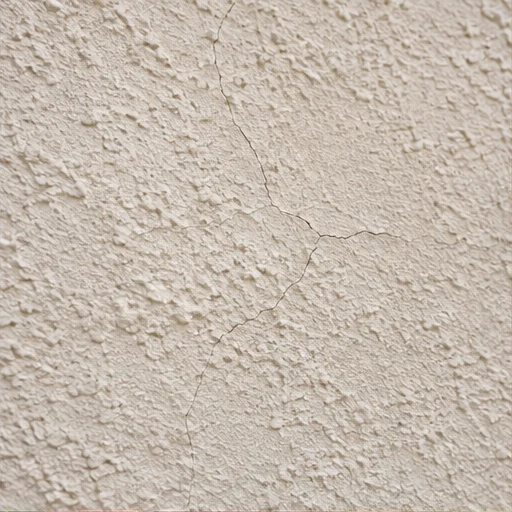
The best time to paint a house exterior in Miami is during a stretch when the walls are dry, rain is unlikely during the coating’s required drying window, and the surface temperature is within the product’s limits. Check the property and the coating data together. A favorable forecast is only part of the decision, especially on shaded stucco that can hold moisture after a passing shower.
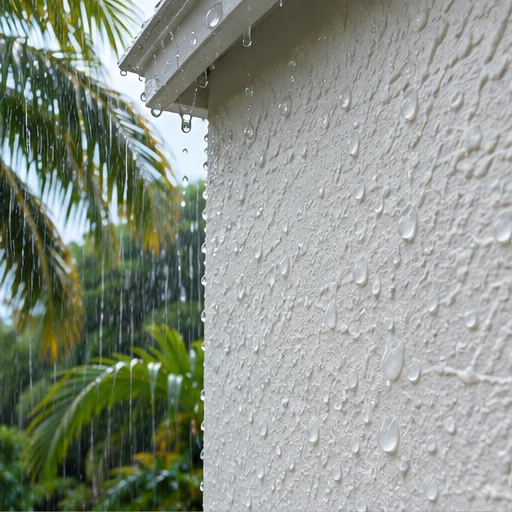
Check the forecast after preparation too
Surface preparation can move the paint date even if the forecast stays favorable. If the house is cleaned on Monday, ask when the shaded side will be evaluated for dryness and whether wet debris or runoff could reach a section ready for paint. If a repair uses a separate product, note when it was applied. Agree on who will check the wall before coating begins.
Before hiring, collect the exact product names and ask whether a primer has different limits from the finish coat. Find out who will make the call on the start date and when you will hear from them. Those details turn a loose plan to paint during good weather into something you can coordinate with family members, property managers or tenants. After the job, keep the product sheet and dates for the exterior work so you have a reference when you maintain or repaint the wall.
Start with the wall instead of the calendar
Pick a paint date around the wall that is hardest to dry or access. Walk around the house in the morning and again later in the day. Note which areas stay shaded, where sprinklers hit and whether a tree or roof overhang keeps one elevation cooler. A front wall in morning sun can be ready for inspection while the side yard still looks damp.
Think through the entire job window. A good decision accounts for preparation, any primer or repair material, the planned coats and the time the fresh finish needs before rain. A date that looks fine for the first hour may be unsuitable if the second coat is scheduled near an afternoon storm. Ask which parts of the work can move ahead if the finish coat has to wait.
Read the product instructions before looking at the hourly forecast
Find the technical data sheet for the primer and topcoat proposed for your house. Look up application temperature, recoat time and any guidance about humidity, surface moisture and rain exposure. Two exterior paints can have different limits. Copy the product names and the relevant limits into your conversation with the painter so everyone uses the same conditions for a go or delay decision.
Check the forecast for the specific address and for the whole work period, including the evening after painting. Air temperature is easy to find. The wall itself can be hotter in direct sun or cooler in shade. Ask the painter how they will check the wall and whether the planned order of elevations gives each part of the house a workable window.
Give wet and repaired areas time to be evaluated
A dry-looking top edge can hide moisture deeper in a textured surface, where rain collects on ledges, joints and cracks. Keep an eye on shaded corners and the bottom of walls. Locate drips from air-conditioning equipment, downspouts and irrigation. Tell the painter about a stain or blister that appears in the same place after every storm so it can be evaluated ahead of the coating plan.
Fresh stucco and fillers may have their own cure and preparation requirements. Share the date of the patch, its product if known and who applied it. Ask whether the coating manufacturer gives a specific interval or test for that repair material. A small patch can determine the sequence for a full elevation if the final coat needs a continuous application.
Make a plan for morning dew and afternoon weather
Dew and brief showers make a simple clock rule unreliable. A painter may want to start on an elevation with favorable conditions, finish a complete wall face, and move to another only when its surface is ready. If you need the driveway, back gate or porch during the day, tell the team so the sequence can account for both the wall and your access.
Agree on a practical pause with the painter before the start date. Find out who will contact you when the work is delayed, when the weather will be reassessed and which areas can stay protected overnight. If you are coordinating with landscaping, windows or other work, leave enough flexibility to move those dates too. That makes a weather delay easier to manage.
Keep irrigation, deliveries and access on the schedule
Look beyond the clouds. Check when irrigation runs and who controls it. Tell the painter about landscaping work that could kick up debris near a freshly coated wall. If neighbors share a driveway or vehicles park close to the work area, discuss how to preserve usable access and reduce the chance of overspray. The best start window includes the ability to protect the surroundings.
If building management needs notice or an association must approve colors, handle those steps before reserving a weather window. Take photos of the chosen paint sample against the trim and roof, and note where the sample was checked. Approval and weather are separate details, and either one can affect when the work should begin.
Check the completed surface after a weather interruption
If rain reaches newly coated areas, record when it started, the conditions and the surfaces affected. Let the area dry and ask the painter to inspect it against the product instructions. Look at water marks and runs from several angles in daylight. The right follow-up depends on when the coat was applied, how much exposure it had and the condition that remains once dry.
For a project you are planning now, start with three photos. Take a wide image of the main elevation, a picture of the most shaded wall and a close view of any worn, peeling or recently patched area. Share the ZIP code and note how quickly those walls dry after rain. That picture set makes the first call about exterior painting more specific.
A simple way to compare two available dates
Suppose one option offers a clear morning with uncertain afternoon rain and another offers a later start after the wall has had time to dry. Compare each option against the slowest drying coat and the elevation most exposed to the weather. Ask how much of the wall can be finished before rain could reach it. If the answer depends on rushing preparation, discuss another workable date.
Frequently asked questions
01How long after a rain can you paint a house?+
Wait until the surface is dry and the forecast allows the product's required drying window. Morning shade, deep stucco texture and horizontal ledges may stay damp after an exposed wall looks dry.
02What happens if it rains 2 hours after painting?+
Rain can affect a coating before it has set enough for exposure. The outcome depends on the coating, the wall and the actual conditions. Photograph the affected areas and have the painter assess the dry surface against the product instructions.