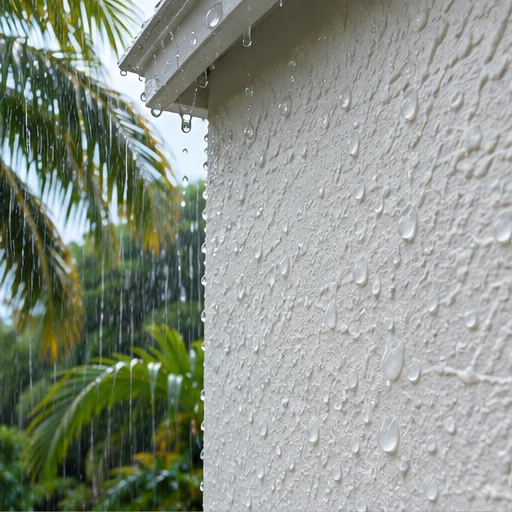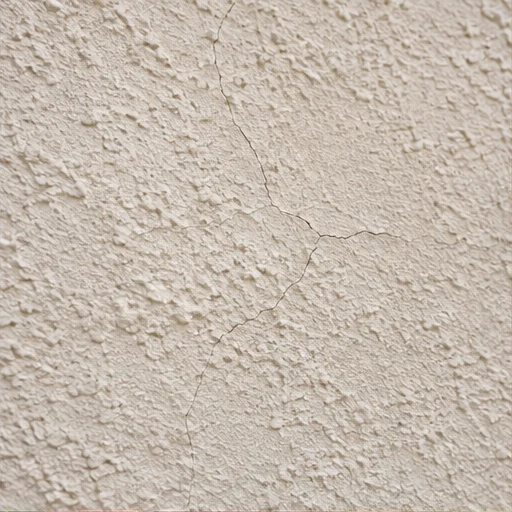
Plan a Miami condo repaint by confirming building access and work hours, listing the rooms and surfaces you want painted, and agreeing on which spaces need to be available during the work. Contact building management early for the current vendor requirements. Then give the painter a written room list, finish choices and any move date or tenant handoff that affects the schedule.
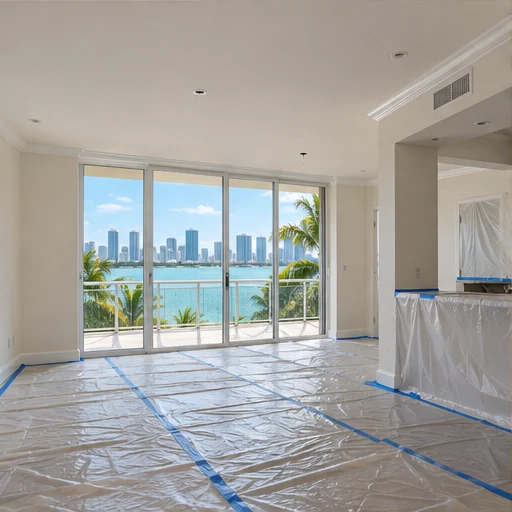
Choose what to do when a room has to stay occupied
If one room cannot be cleared, bring it up before the estimate is finalized. Consider whether walls can be painted in a sequence that leaves a work area or bedroom usable when you need it. Share the dimensions of bulky furniture and anything that is attached to the wall. Agree on who moves each item and how power cords, fragile fixtures and nearby finishes will be handled.
If you plan to be away while the job is under way, decide who can approve a color, entry time or extra patch. Keep contact details and building rules with the job scope so a question about an elevator or wall finish reaches the right person. If the schedule changes, tell management early so bookings or contractor access can be updated. A well-documented handoff gives everyone involved the same information before work moves to the next room.
For a vacant condo, use the same room list and confirm whether deliveries or cleaning will arrive during painting. Arrange enough time between the last coat and the next activity for the painter to review the finish and discuss when the unit is ready.
Find out what building management needs first
Ask your building manager for the current rules about contractors, loading, elevators and work windows. Request the written instructions and identify who handles any approval. Each building can set different requirements. An earlier renovation in another building is an unreliable guide. Make sure the person booking access knows the unit number, the intended dates and what materials or equipment need to come in.
Share these requirements when you request an estimate. Give the painter the current route from loading to unit and flag a shared hallway or elevator that requires protection. If a reservation is needed for every workday, ask who books it and what happens if a delay changes the planned date.
List every surface and where the painting stops
Build a room list using the same names shown on your plan or that the painter will hear during the walk-through. For each room, mark walls, ceiling, baseboards, casing, closet interiors and door faces as applicable. For an open layout, identify the corners or door frames where one color or sheen ends and the next begins.
If you plan to use the same wall color throughout, note where the finish still changes. A bathroom, hallway and bedroom may have different surface needs even with one color. Include the entry side of the door only if that work belongs to your unit’s approved scope. Ask management about any visible shared-area finishes before they are included in a proposal.
Walk the unit for patches, stains and previous finishes
Use the normal daytime lighting to look for areas that read differently from adjacent walls. Take a wide photo and a detail photo where a stain, dent, seam or patch will matter. Tell the painter if the concern changed after recent repairs, a leak, or new flooring or trim. Make a separate list for issues you want evaluated before choosing a finish.
Ask about existing gloss, rough repairs and the maintenance expected in bathrooms and kitchens. A finish selection works best when it accounts for surface condition and use. If your unit or parts of the building date from before 1978, discuss applicable lead-safe requirements before any old coating is disturbed.
Decide where furniture, pets and people can go
An empty condo presents different access from one with a family or tenant in place. Identify heavy furniture, equipment, wall-mounted fixtures and fragile objects well before the work. Agree on who moves each item, where it will go and what needs to be protected on the way. If couches or beds fill an entire room, plan which area you can clear first.
Consider normal routines as you set the sequence. Explain if a room has to stay available for remote work, if pets need a closed space, or if deliveries could arrive during the job. Tell the painter which rooms can be turned over together. Ask when furniture can return near each wall based on the coating and site conditions.
Test paint color where it will be seen
Bring your samples to the unit and view them by the floor, trim and cabinetry that will remain. A wall beside a large window receives different daylight from a hallway or interior bedroom. Compare samples at the time of day you most often use the space, and under the lights that will stay after painting.
Before you approve a color, record all the rooms and surfaces it applies to. If a change crosses an open room, specify the corner, casing or opening where it will stop. Keep a written finish list with the product and sheen. Everyone making decisions about the unit can then refer to the same choices instead of using photos to guess the color.
Build access and finishing into the schedule
Set out the four points when timing matters most. These are building approval, protection and prep, paint application, and the final review. Ask whether the building limits daily work hours and whether a holiday or community event could affect access. If the painting date is tied to a move or another contractor, agree how you will handle days that shift.
Ask the painter which parts of the estimate assume uninterrupted access. A narrow loading window or a requirement to remove all equipment each evening can affect the sequence. A room plan and building checklist give you a way to compare scope and timing across bids, even if each provider proposes a different number of visits.
Walk the scope again before the last handoff
Use the room list to review included surfaces and check the spaces you see most often in their usual lighting. Ask for the paint details by room and what to do before cleaning or touching up the finish. Give the building manager any needed update about access and protection removal. If the unit is being prepared for a new tenant, make sure the owner and tenant know which finishes they will be maintaining.
Frequently asked questions
01How to prepare interior walls for repainting?+
Start with clean, dry walls and flag loose paint, old patches, glossy areas and recurring stains. Ask the painter which repairs and primers belong in your scope. In pre-1978 homes, raise lead-safe requirements before any old coating is disturbed.